Field notes: the week the pipe count came up forty joints short, and the invoice was right
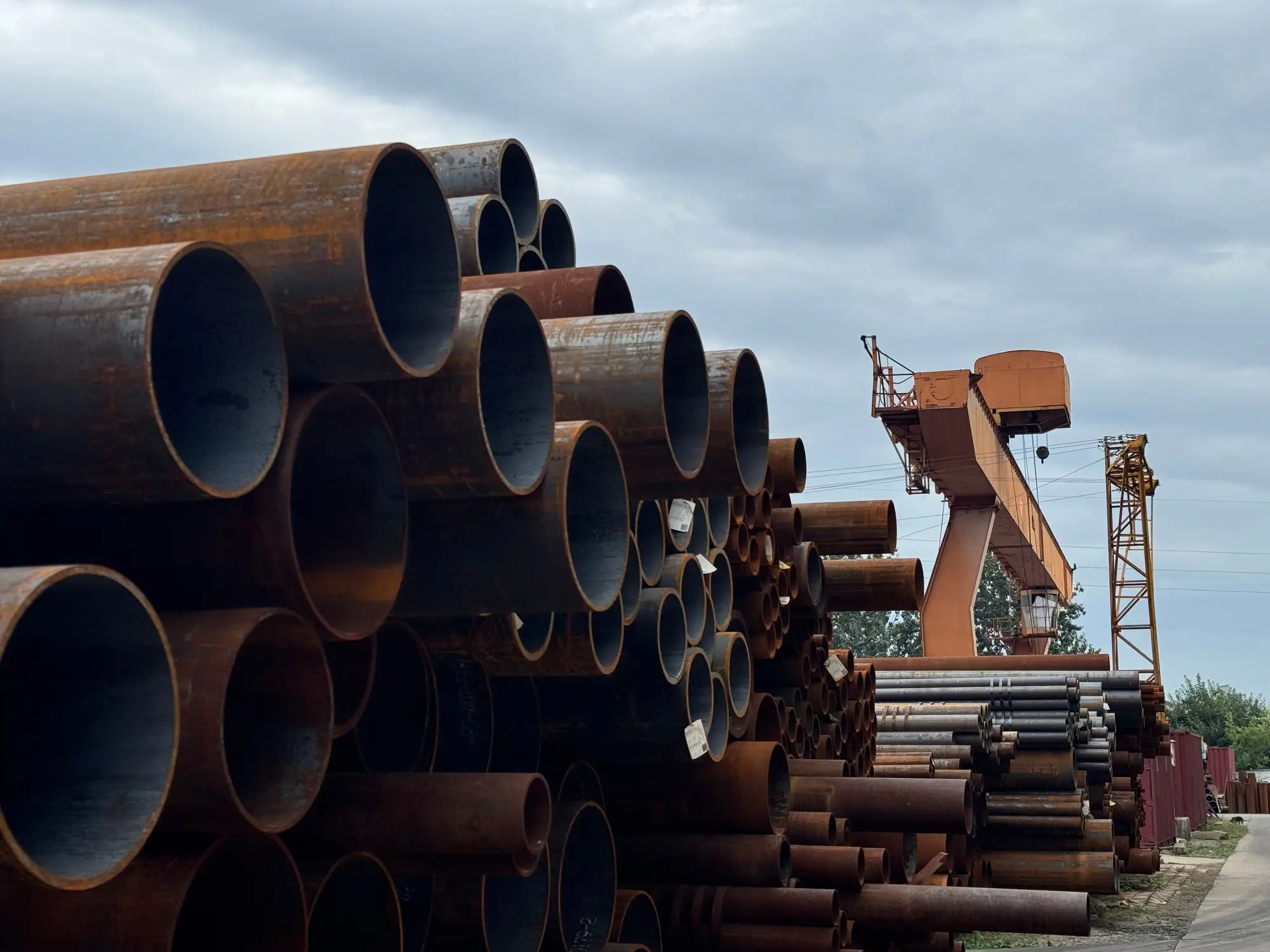
Forty joints. That's the number the Tuesday walk-count came back with on the 24-inch coated pipe racked out behind the fitting cages in the north yard, forty short of what the receiving log said should be sitting there. The yard foreman had counted it twice. I'd counted the delivery tickets against the invoice three times before I'd let anyone near a phone to call the supplier.
The invoice matched the tickets. The tickets matched the mill certs. Every heat number on the paperwork traced back to a truck that had shown up. So either forty joints of pipe had walked off a fenced, lit, badged-access yard in broad daylight, or somebody had miscounted something.
It was the counting.
The rack in question was a double row, two stacks of pipe sitting back to back with about three feet of dunnage between them so a forklift could get in from either side. From the access aisle, you see the front stack clean. The back stack you see maybe a third of, blocked by the front pipe and a stack of valve crates somebody had staged there a week earlier and never moved. The guy doing the walk-count that week was good, careful, been doing it for years, and he did what everybody does with a partially blocked stack: counted what he could see, counted the visible layers, multiplied by what he assumed was the row length based on the stack next to it. Reasonable method. Wrong answer, because the back row was one joint shorter per tier than the front row, something nobody would know without physically walking around to the far side and counting end caps.
Forty joints of discrepancy, and the pipe had been sitting there the whole time.
We lost a day and a half on it. A day confirming the paperwork was clean, half a day walking the yard a second time with two people on opposite sides of the rack calling out counts to each other, because that's what it takes to count a stack you can't see all the way through from one spot. Nobody got in trouble. Nobody should have. The method was the problem, not the person running it.
This is the part of the job nobody puts in the schedule. Reconciling the yard against the buy eats a day or two every month somewhere on this job, and pipe racks, rebar bundles, precast stacked three high behind other precast, all of it hides count from a ground-level walk no matter how careful the person doing it is. You're looking at a stack from one angle, at one height, and extrapolating the rest. It works until the rack isn't uniform, until something got staged in front of it, until the back row is short a joint and nobody's walked around to check.
What would've saved the day and a half is a count that doesn't depend on which side of the rack somebody was standing on. A flight over the yard that logs the shape and footprint of every joint from above sees both rows the same way regardless of what's stacked in front, and it would've flagged that back row at its real count instead of an assumption borrowed from its neighbor. That's the gap Material Tracking is built to close: a weekly pass that turns the yard into a counted record you can set against the delivery log before the discrepancy ever reaches a phone call to the supplier.
Nothing was stolen that week. Nothing was overbilled. It was just a stack nobody could fully see, counted the only way anyone had to count it. Worth remembering next time a tally comes back wrong and the paperwork comes back clean. The yard's not lying. The count just didn't get all the way around the pile.
If your Tuesday walk-counts have ever come up short on paperwork that turned out to be right, it might be worth seeing what a counted yard report looks like before the next one does.