Field notes: the week two subs both claimed the same stack of pipe
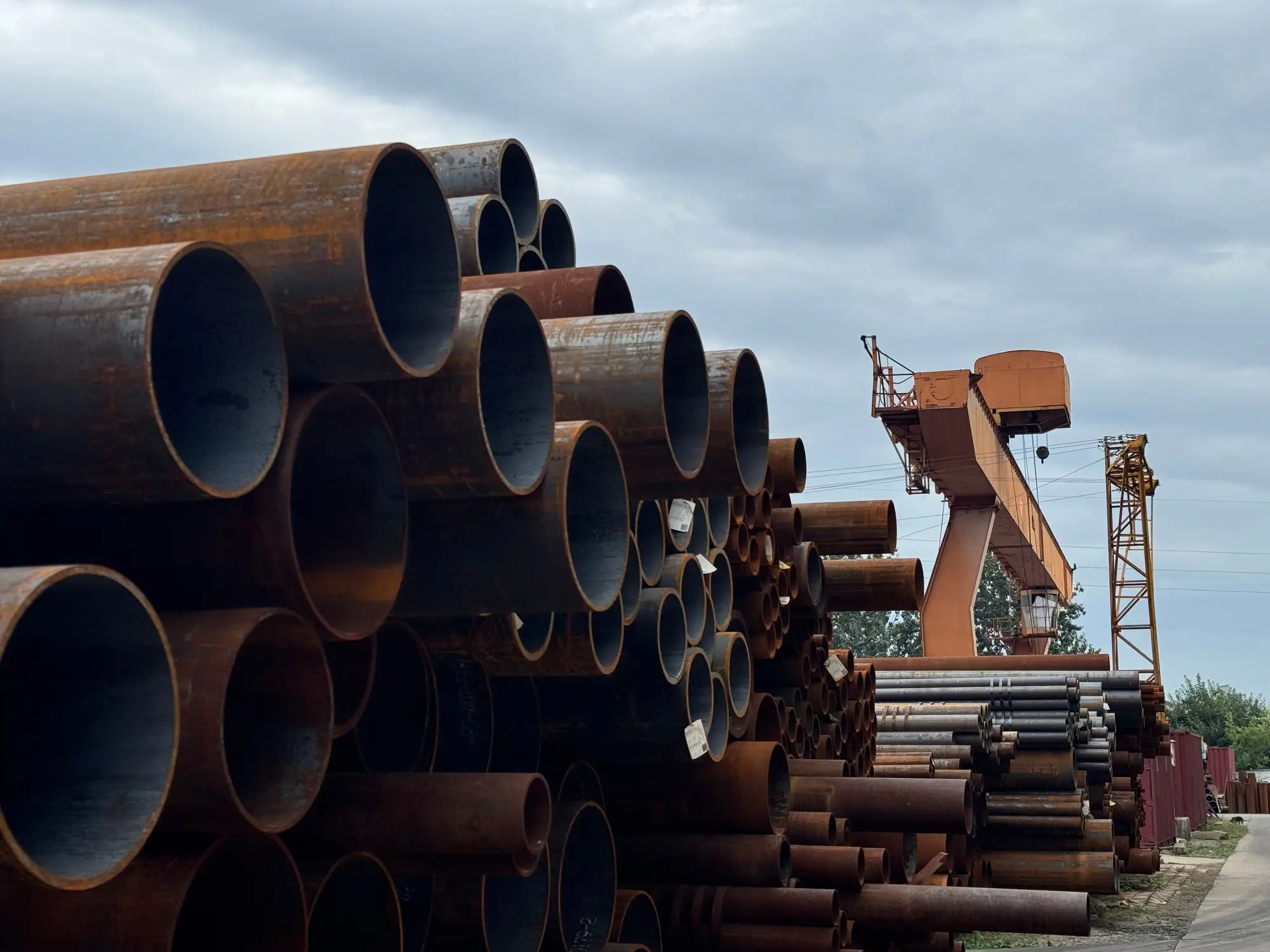
It was a stack of 24-inch pipe, eleven joints, sitting on timbers near the north fence. Both the mechanical sub and the civil sub had it on their material list. Both had a packing slip that could plausibly describe it. Neither had a joint count from the week before that anyone trusted.
This is the kind of thing that eats a Tuesday.
The mechanical foreman swore the stack was his, delivered three weeks back for a tie-in that got pushed. The civil super said no, that run came in on a flatbed he personally signed for, and he had the BOL to prove it. The BOL did say 24-inch. It did not say where on the yard the driver dropped it, and nobody had walked the yard that week to confirm count against delivery before the stack got bumped twenty feet by a loader clearing space for a crane pad.
By the time it landed on my desk, I had two packing slips, one BOL, a laydown yard with four other stacks of comparable pipe scattered across three zones, and a hand tally from the previous Friday that listed "pipe, misc, approx 40 joints" because that's what you write when you're walking a yard with a clipboard in the rain and a crew waiting on you.
Neither sub was lying, as far as I could tell. They were both working off a memory of where their material should be, in a yard where nothing stays where it was dropped for more than a few days. That's the real problem with a shared laydown yard: the yard itself is the only record of what's there, and that record moves every time a loader clears space for something else.
We settled it the slow way. Pulled the delivery log, cross-referenced heat numbers against what little paperwork survived, walked the stack joint by joint checking mill marks, and got lucky that the civil sub's run had a slightly different coating batch visible on close inspection. Took most of a day between two people who had better things to do. The mechanical sub's pipe, it turned out, was two zones over, half-buried behind a rebar cage nobody had moved since August.
What stuck with me wasn't the dispute. Disputes happen. It was how little stood between "resolved in twenty minutes" and "resolved after a day of forensic pipe-matching." A yard count from the Monday before, something that tied a joint count and a rough location to a date, would have ended it before lunch. Instead we were reconstructing a week-old picture from memory and mill marks.
Every project controls person I know has a version of this story. The precast units that got double-billed because two invoices referenced the same delivery. The rebar bundle count that didn't match the mill cert because somebody's tally included bundles already placed. A pile of aggregate that three different estimates sized at three different volumes, none of them measured, all of them confident. The common thread is always the same: the yard is trusted paperwork's biggest blind spot, because nobody's walking it often enough, closely enough, to catch a discrepancy while it's still cheap to untangle.
That's the gap we built Material Tracking to close: a weekly flight over the yard that turns pile and stack into a counted, measured record you can set next to the delivery log and the invoice, before a dispute like this one gets the chance to cost you a day.
If your yard has more than one sub dropping pipe in it, you already know this is coming again. Worth seeing what a weekly count would have caught.