Pipe joint count vs invoice count: catching an overbilling before sign-off
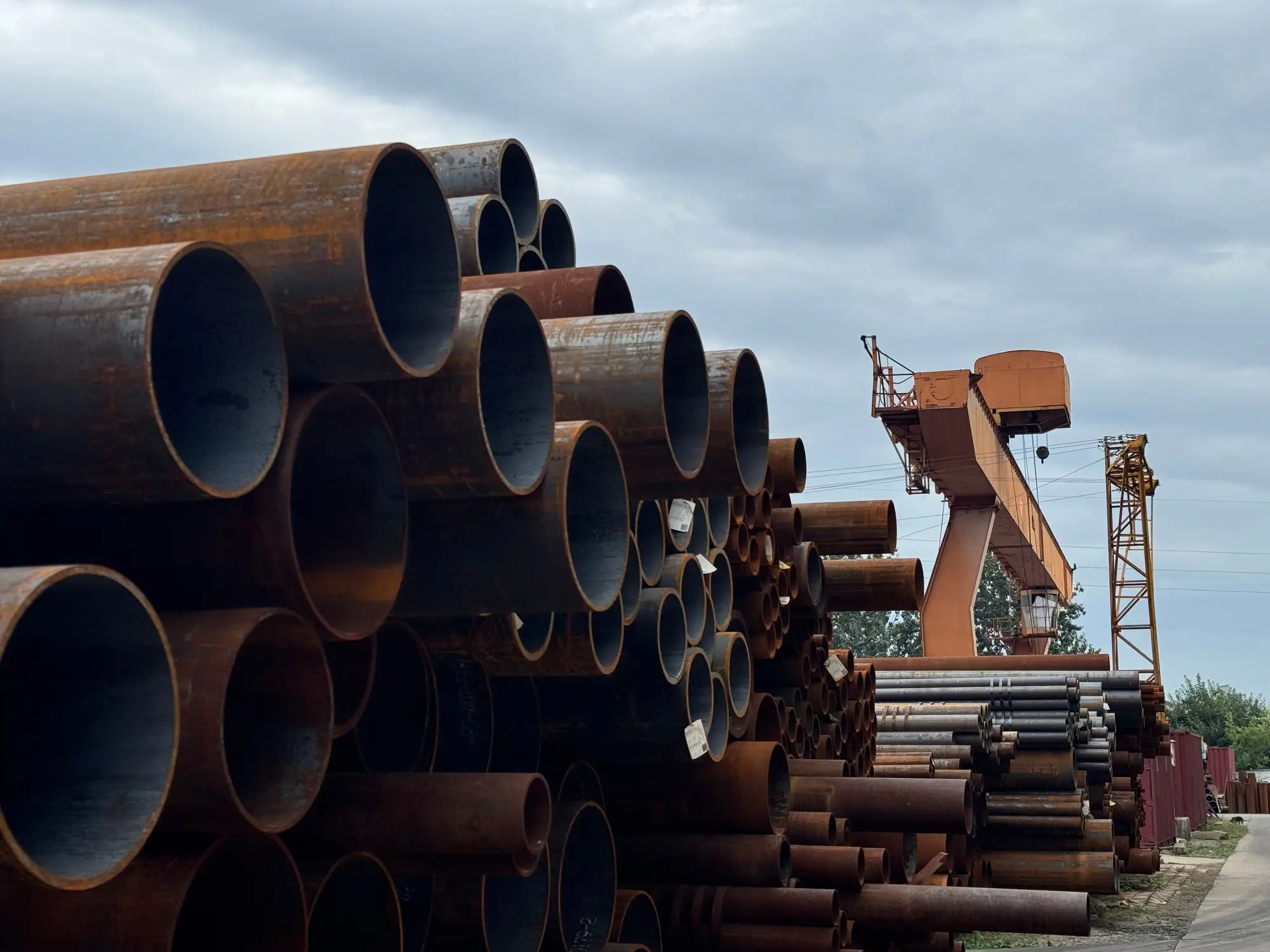
A pipe delivery shows up on a Tuesday. The driver hands over a ticket, the joints get offloaded onto dunnage, and somebody signs for it because the truck has to turn around. Six weeks later the invoice lands, the quantity on it matches the delivery ticket, and the pay app gets approved. Nobody counted the joints sitting in the yard against either number.
That's the gap where overbilling lives. Not fraud, usually. More often it's a partial load invoiced as a full one, joints that got counted on receiving and then counted again on a return pull, or a supplier running the delivery log off a packing slip that was wrong before the truck left the plant. The delivery ticket and the invoice can agree with each other and still both be wrong about what's on the ground.
Why the delivery ticket isn't the check
A lot of project controls teams treat the delivery ticket as the count. It's a record of what the driver says he dropped off, written at the moment of drop-off, by whoever happened to be at the gate that hour. If that person is also signing for two other deliveries the same afternoon, the joint count on the ticket is an estimate with a signature on it.
The invoice inherits whatever's on that ticket. So when you reconcile invoice against delivery log, you're checking that two documents produced by the same supplier agree with each other. That tells you the supplier's paperwork is internally consistent. It doesn't tell you how many 40-foot joints of 24-inch line pipe are racked in Row C.
A count you take yourself, in the yard, independent of the delivery log, is the one number that doesn't come from the supplier's paperwork at all. That's the number that catches a discrepancy before the pay app gets signed, instead of during a close-out audit eight months later when the dunnage has been reused twice.
Doing a unit count reconciliation without burning a day on it
A manual pipe joint tally is the obvious fix and the reason most teams don't do it every pay period. Walking rows of pipe, tallying by size and heat number, cross-checking against a spreadsheet, takes a controls engineer most of a day on a yard of any size, and that's before anyone's touched the rebar bundles or the precast stacked behind the trailers. So it gets done at mobilization, maybe at a milestone, and otherwise the team is trusting the paper.
The reconciliation itself isn't complicated once you have a real count. Pull the invoice quantity by line item, pull what the delivery log says arrived, pull what's counted in the yard this week, and put the three numbers side by side. Where the yard count is lower than the invoice and nothing was installed or shipped out, that's your flag. Where it's higher, somebody delivered pipe that hasn't hit the paperwork yet, which is its own problem but a cheaper one to have.
The bottleneck has never been the math. It's getting a trustworthy yard count without paying for a day of walking rows every single week. A weekly drone pass over the yard turns into a counted record of joints, bundles and precast on site, the kind of number you can actually set next to the invoice before you sign off, not after.
Catching the discrepancy before sign-off instead of during audit changes who's asking whom for an explanation. Once you've paid, you're asking for a credit. Before you've paid, you're just asking the supplier to account for the number.
If your yard count and your invoice count have been drifting apart and you've been finding out at reconciliation instead of before it, that's worth fixing before the next pay period closes.