What is a heat number, and why rebar bundle tracking depends on it
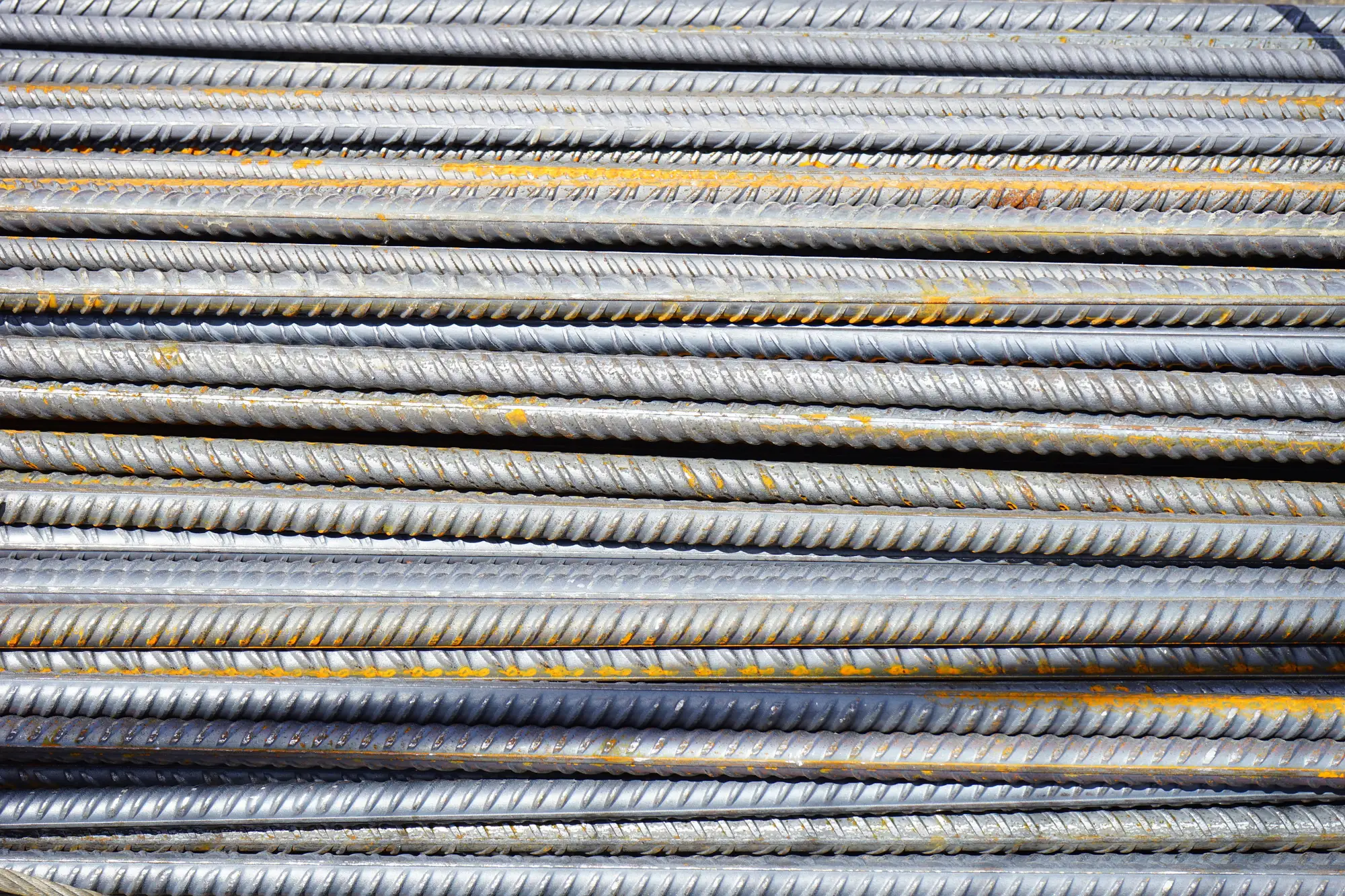
A heat number is the ID the mill stamps on a batch of steel when it's poured. One furnace charge, one heat, one number. Everything rolled from that heat, every stick and bundle of rebar that came out of it, carries that same number back to a single melt.
The mill certificate is what rides along with it. It lists the chemistry (carbon, manganese, the alloy mix) and the mechanical test results (yield strength, tensile strength, elongation) for that specific heat. When a structural engineer calls for Grade 60 rebar, the heat number is how anyone downstream, inspector, QA tech, forensic engineer after the fact, can prove the steel sitting in the slab matches the steel that was certified.
Why bundle tracking leans on it
Rebar doesn't ship loose. It ships in tagged bundles, and the tag is supposed to carry the heat number through from mill to truck to yard to placement. That chain only works if nobody breaks it in the middle.
On a job with a strict spec, say a bridge deck or anything under special inspection, the QA plan will call for heat number traceability all the way to the pour. Someone has to be able to look at a bundle in the yard, read the tag, and match it to a mill cert on file. Lose that link and you've got steel you can't certify, which on some jobs means it doesn't get used until someone sorts out the paperwork or pulls a sample for independent testing.
Where the chain breaks down
In practice, the heat number rarely survives contact with a laydown yard for long. Bundles get banded and re-banded. A delivery of forty bundles off one heat gets split across three storage rows because that's where there was room. Tags get bent, painted over, or walk off with whoever cut the bands to pull stock for a crew. Six weeks in, you've got partial bundles from two or three heats stacked next to each other, and the only record tying any of it back to a mill cert is whatever someone wrote on a clipboard the day it came off the truck.
This is a separate problem from simply knowing how much rebar is in the yard, but the two get tangled together constantly, because a project controls team doing a reconciliation against the delivery log and the invoice is usually working from the same stack of paper that's supposed to carry the heat traceability. If the count is off, the heat records are suspect too. If the count is right, you've at least got a starting point for the QA side to go sort out which tags belong where.
What a yard count can fix
Material Tracking doesn't read heat numbers off a tag, and it's not a QA traceability tool. What it does is give you a counted record of what's physically sitting in the yard this week, rebar bundles included, pulled from a weekly drone flight instead of a walk-the-rows tally. That's the piece project controls actually owns: confirming the bundle count against the delivery log and the invoice before anyone signs off on payment. A yard report you can set next to that paperwork tells you whether the count the supplier billed for is the count physically on site, which is the question that has to get answered before anyone goes looking for the matching mill certs.
Getting the physical count right doesn't replace the tag-and-cert trail your QA plan requires, but it closes the gap that usually causes the argument in the first place: whether the stock in dispute was ever delivered in the quantity invoiced.
If you're reconciling rebar bundles against invoices more often than you'd like, see what a weekly yard count from Material Tracking would show.