Material reconciliation report vs. delivery log: what's the difference
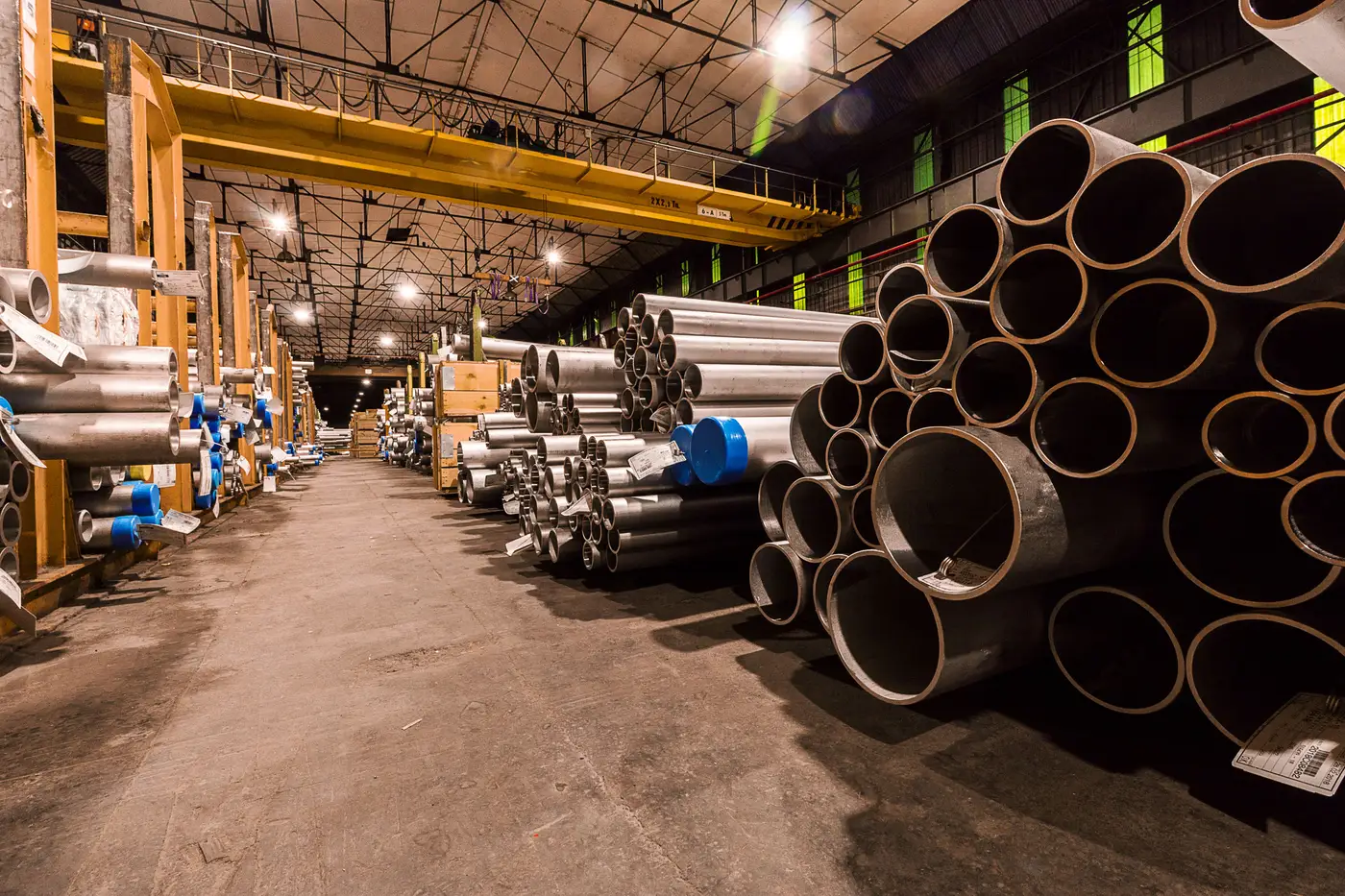
A delivery log tells you what a truck dropped off. A material reconciliation report tells you what's sitting in the yard right now. Those sound like the same thing until you've spent a Friday afternoon trying to figure out why the gate log shows 40 joints of 24-inch pipe delivered in September and the yard only has 31.
Project controls teams run into this gap constantly, usually right before a pay application is due or an auditor asks a question nobody can answer cleanly.
What a delivery log actually tracks
The delivery log, sometimes a receiving log or gate log depending on your project, is a record of transactions. A truck shows up, a supplier's bill of lading gets signed, a quantity gets entered against a PO line. It's built from paperwork at the point of arrival: what the driver says is on the truck, what the packing slip claims, what the field engineer counted (or didn't, if it was raining and the truck was already backing out the gate).
That log is good at one thing: showing what was supposed to come into the yard and when. It is not a record of what's currently in the yard. Material gets pulled for installation, gets damaged and scrapped, gets moved to a laydown area nobody logged, or in the worst case gets billed and never shows up on a flatbed. None of that shows up in a delivery log, because a delivery log only moves forward in time. It never looks back at the pile and checks.
What a material reconciliation report adds
A reconciliation report starts from the opposite direction: it counts or measures what's physically present, then compares that against what the paperwork says should be there. For discrete stock like pipe joints, precast units and rebar bundles, that means a unit count. For loose material like aggregate stockpiles, it means a volume, because nobody's counting individual rocks and a tape-measure-and-guess estimate on a 30-foot pile is where most of the variance in a reconciliation starts anyway.
Put the two side by side and the gaps get specific fast. Invoice says 200 tons of 3/4-inch aggregate delivered across six loads; the pile measures out to something closer to 160. Delivery log shows 18 precast panels received; the yard has 15, and nobody can say whether three went straight to install, got rejected and sent back, or never left the precaster's yard with a corrected ticket. That's the conversation a reconciliation report is built to have, and it's a different conversation than "did the truck show up."
Yard report vs. delivery log: why you need both
Neither document replaces the other. The delivery log is your record of intent and transaction history, the thing you hand to the supplier when a quantity gets disputed. The reconciliation report, or yard report, is your record of physical reality, the thing you hand to the PM when the pay app doesn't match what's sitting behind the fence.
Most project controls teams currently build that second document the hard way: walking the yard with a clipboard, pacing off a stockpile and eyeballing its height for a volume estimate, and hoping the count holds up when someone questions it two weeks later. It's slow, it's one person's judgment call on pile geometry, and it has to get redone from scratch every time.
A weekly aerial pass over the yard gets you that same counted, measured record without the clipboard walk, pipe joints and precast units counted individually, aggregate stockpiles measured for volume, laid out so you can set it directly next to the delivery log and the invoice and see where they stop agreeing. Material Tracking builds that report from a drone flight over your laydown yard, on a weekly cadence, so the reconciliation is a document you're checking instead of one you're assembling from scratch under deadline.
If your yard counts and your delivery log keep drifting apart, it might be worth seeing what a weekly flight over your own site would catch.